



Comparing Top Starter Brands for Quality and Reliability in 2026
You want a starter that works well every time and makes you feel safe. In 2026, Lexus, Buick, Toyota, Subaru, and MINI are considered some of the Top Starter Brands known for quality and reliability. Choosing a reliable starter from these Top Starter Brands helps keep your car safe from excessive gas consumption, premature wear, and engine problems. Be sure to consider your car type and driving habits, as your needs may vary.
A bad starter causes your car to use more gas.
It puts extra stress on ignition parts and can make the engine run rough or overheat.
Top Starter Brands in 2026
Leading Brands Overview
You want to find out which brands make the best starters. In 2026, the top starter brands are Lexus, Buick, Toyota, Subaru, MINI, JC Whitney, Quality-Built, WAI, AC Delco, and A-Premium. These brands are known for working well and being reliable. Lexus and Buick have high-end choices for people who want the best cars for their money or for families. Toyota and Subaru make strong starters for many cars, so they are popular in new and used car lists. MINI makes small starters for electric and hybrid cars, which is good for drivers who want to save energy.
JC Whitney, Quality-Built, WAI, AC Delco, and A-Premium sell both oem and aftermarket starters. You can pick oem starters for the same quality as the factory or choose aftermarket starters to save money and have more options. These brands help you get the best value, whether you buy a new car or look for a good used one.
Tip: When picking a starter, see if the brand has oem or aftermarket choices. This can change how your car works and what the warranty covers.
Industry Rankings and Awards
You use industry rankings to help you choose wisely. The 2026 J.D. Power CSI Study shows the best starter brands for quality and reliability. The table below lists the top brands in both premium and mass-market groups:
Segment | Top Ranked Brands for Quality and Reliability (2026 J.D. Power CSI Study) |
|---|---|
Premium Segment | 1. Porsche (Score: 915) |
2. Infiniti (Score: 912) | |
3. Lexus (Score: 900) | |
Mass-Market | 1. Mini (Score: 887) |
2. Subaru (Score: 886) | |
3. Buick (Score: 882) |
You notice Lexus, MINI, Subaru, and Buick are top starter brands. These brands also show up in new car lists and best vehicle brand lists. Lexus IS is a model that is very reliable, so it is one of the best cars for families and for saving money.
BMW had to recall almost 90,000 cars in 2026 because of fire risks from hot starter motors. This recall hurt BMW’s reputation and shows why you should pick brands with good safety records. You want to stay away from problems that can lower your car’s value or make it unsafe.
The market for starter motors is growing quickly. Experts think it will reach USD 22.19 billion by 2026, with a growth rate over 6.9% from 2026 to 2035. Premium brands like Lexus and Porsche help this growth by selling oem and aftermarket starters for the best cars and hybrid cars.
You get more by choosing brands that win awards and get high scores in new car lists. These brands help you find the best cars for families and for saving money. You can trust oem starters for good quality and use aftermarket ones for more choices and lower prices.
What factors most affect starter motor reliability?
Key Reliability Indicators
You want your starter motor to work every time. Reliability means it works well in tough weather. It should keep your engine running without problems. Look for a starter that gives strong torque, even when it is cold. Copper-wound starter motors help your car start better in cold weather. If you live where it is hot or humid, you need a starter with heavy-duty windings. These windings protect the starter from heat and water. This makes your starter last longer.
The starter must fit your car. OEM starter motors are made for your car’s make and model. Aftermarket starter motors give you more choices and can cost less. You need to check if they fit your car. Ruggedized starters have special coatings. They work well in dusty or rusty places. Picking the right starter for your driving helps it last longer.
Experts use PP100 to measure how reliable a starter is. PP100 means Problems Per 100 vehicles. Top brands like Lexus and Toyota have lower PP100 scores. This means you will have fewer problems with your starter.
Quality Standards for Starters
You want a starter motor that meets high quality rules. Good starters give enough power to start your engine. They fit your car and last in tough weather. Check for sealed solenoids and strong parts inside. The drive pinion must fit the flywheel so your car starts smoothly.
Here are the main rules for good starter motors:
Power: Strong torque for all weather, even cold.
Fit: Works with your car’s make, model, and engine.
Quality: Sealed solenoids and tough parts.
Motor type: Pick pre-engagement or direct-drive for your car.
Flywheel fit: Pinion gear must match the flywheel.
Wires and install: Easy to connect and put in.
You can look at this table to compare OEM and other starter motors:
Component | OEM/High-Grade Unit | Budget Remanufactured Unit |
|---|---|---|
Armature shaft | Honed steel, tight tolerance for smooth operation | Re-ground shaft, higher tolerance, more wear |
Brushes | Copper-graphite, calibrated spring tension | Generic carbon, springs wear out quickly |
Solenoid contacts | Silver-cadmium, rated for many actuations | Copper-plated steel, pitting after fewer cycles |
Pinion gear | Case-hardened steel, polished teeth | Soft steel, rough-cut teeth, faster wear |
OEM starters are best for electric and hybrid cars. Aftermarket starters give you more choices and can be cheaper. Remanufactured starter motors save money, but you need to check if they last.
Note: Always pick a starter that fits your car and how you drive. This helps you avoid problems and keeps your car working well.
How do top starter brands compare?
Strengths and Weaknesses
You want to see how top starter brands compare. Each brand has good points and some weak spots. Lexus and Toyota make oem starters that work well and last long. You can use them in electric cars and hybrid cars. Buick and Subaru have oem starters that work in hot or cold weather. MINI makes small oem starters for tiny cars and hybrid cars.
Aftermarket brands like JC Whitney, Quality-Built, WAI, AC Delco, and A-Premium give you more choices. These brands also sell good reman options. Aftermarket starters help you save money and fit many cars. But some aftermarket starters do not last as long as oem ones. Cheap aftermarket starters can wear out fast, especially in bad weather.
Note: Lexus and Toyota are trusted and often top best vehicle lists. Their oem starters give you peace of mind. JC Whitney and AC Delco aftermarket units give you more options and good value.
Performance and Durability
You want your starter to work well every time. Cold starts are important in winter. Starters with strong parts last longer. You can look at the table below to compare how they perform:
Brand | Cold Cranking Amps (CCA) | Durability Features |
|---|---|---|
Optima Batteries | High | 15 times more vibration resistance, long shelf-life |
DieHard | Varies | High-quality materials, excellent warranty |
Interstate Batteries | Competitive | Long-term reliability, strict quality control |
Bosch | High | Engineered for high performance, resistant to corrosion |
Optima and Bosch oem starters have high CCA and fight vibration. DieHard and Interstate aftermarket starters have good warranties and strong quality checks. You get good quality and reliable choices for new and used cars.
Weather can change how well your starter works. Cold weather makes oil thick, so the starter works harder. Humid air has less oxygen, which can lower power. You should use the right oil and change air filters often in dusty places. These steps help your starter last longer and work better.
Brand-Specific Features
You want to know what makes each brand special. Lexus and Toyota use smart oem starter technology. Their starters are light and strong, with gear-reduction systems. These features save power and lower wear. Denso, a trusted oem starter brand, adds stop-start systems for hybrid cars. You get strong starters that fit your car well.
Kubota makes tough oem starters for big vehicles. These starters have strong parts and lots of cranking power. They work well in hard jobs. MINI makes small oem starters for electric and hybrid cars. These save space and energy.
JC Whitney and Quality-Built aftermarket brands give you more choices. You can pick remanufactured starters for good value and more options. AC Delco and A-Premium sell aftermarket starters that are easy to put in and fit many cars. You get good reman options for older cars.
Tip: Pick oem starters for the best cars and hybrid cars. Aftermarket starters are good if you want more choices or need to save money. Always check if the starter fits and what the warranty covers.
Top starter brands give you oem and aftermarket choices. You get strong performance, good quality, and reliable options for all cars. Lexus, Toyota, and Denso lead in technology and durability. Aftermarket brands help you find good value and more options for your needs.
How to choose the best starter for your car?
Matching Starter to Vehicle Type
You need the right starter for your car type. Sedans use standard starters. These have medium cranking power. Trucks need high-torque starters. These can handle big engines and cold weather. SUVs do best with gear reduction or high-torque starters. These work well off-road. You should check the starter’s current and voltage. Look at overload electronics and coil control too. The enclosure design matters for safety. These things stop damage and help the starter work right. The table below shows how different cars use different starters:
Vehicle Type | Starter Type | Key Features |
|---|---|---|
Sedans | Standard or Domestic | Moderate cranking power, reliable, cost-effective maintenance |
Trucks | High-Torque | Handles large engines, high compression, reliable in cold weather |
SUVs | Gear Reduction/High-Torque | Superior cranking power, durable for off-road conditions |
Tip: Make sure the starter gives full torque at 0 RPM. It should also work with your car’s electronics.
Budget and Warranty Considerations
You need to think about price and warranty. OEM starters cost $200–$500 or more. They fit best and work well. Aftermarket starters cost $100–$300. These give you more choices for your budget. Remanufactured starters cost $80–$200. These help you save money. Always check the warranty before you buy. OEM starters usually have longer warranties. They also give better support. Aftermarket starters may have shorter warranties. But they are more flexible. Remanufactured starters often have short warranties.
Note: Keep your part numbers and purchase dates. This helps if you need to use the warranty.
Tips for Selecting a Starter
You can use these steps to pick a good starter:
Make sure the starter fits your car’s year, make, model, and engine code.
Check the torque, speed, and duty cycle for your weather and driving.
Look at the materials and how the starter is built.
Read customer reviews and see what other people say.
When you get the starter, check for clean casting, labels, and good wires.
If you can, do a bench test to see if it works smoothly.
Keep your battery healthy and check wires often to help the starter last.
Do not crank the starter too long or it can get too hot.
Callout: OEM starters always fit and work well. Aftermarket starters give you more choices. Always check the warranty before you buy.
You can pick from many good starter brands in 2026. The table below shows two brands that stand out:
Brand | Strengths | Target Market |
|---|---|---|
Denso | Smart design, light, strong power | Cars and trucks |
Kubota | Tough, dependable, lots of parts | Farm and work machines |
Always make sure you can get parts and help.
Choose a starter that fits your car and how you drive.
Look for brands that work with many vehicles and have good warranties.
For the best choice, ask a mechanic you trust or read expert reviews.
FAQ
What is the difference between OEM and aftermarket starters?
You get OEM starters from the original car maker. Aftermarket starters come from other companies. OEM starters fit your car perfectly. Aftermarket starters give you more choices and lower prices.
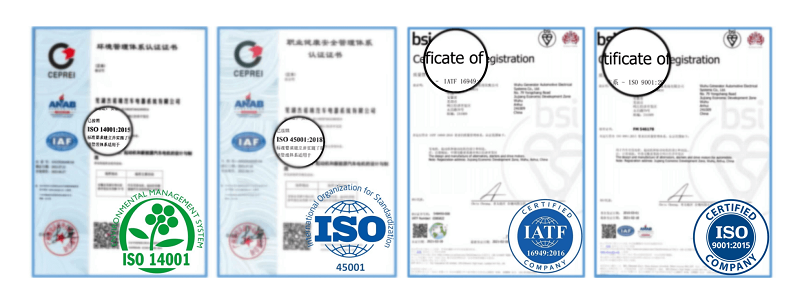
For buyers seeking both precision and value, Elecdura delivers OE-quality starters engineered to original equipment standards. As an IATF 16949 certified manufacturer, we provide private-label branding, bulk wholesale programs, and reliable supply chains.
Choose Elecdura — OEM-grade quality with strategic partnership. Contact us today for starter solutions tailored to your market.
How do I know if a starter fits my vehicle?
Check your car’s year, make, model, and engine code. You can use online tools or ask your mechanic. Most brands list fitment details on their websites.
Which starter brand offers the best warranty?
Lexus and Toyota usually offer longer warranties for OEM starters. Aftermarket brands like AC Delco and A-Premium provide shorter warranties. Always check the warranty before you buy.
Can I install a starter myself?
You can install a starter if you have basic tools and follow instructions. Many brands include guides. If you feel unsure, ask a mechanic for help.
What signs show a starter needs replacement?
You hear clicking noises or your engine does not turn over. You see slow cranking or smell burning. These signs mean you need a new starter.