



What does a heavy duty alternator do
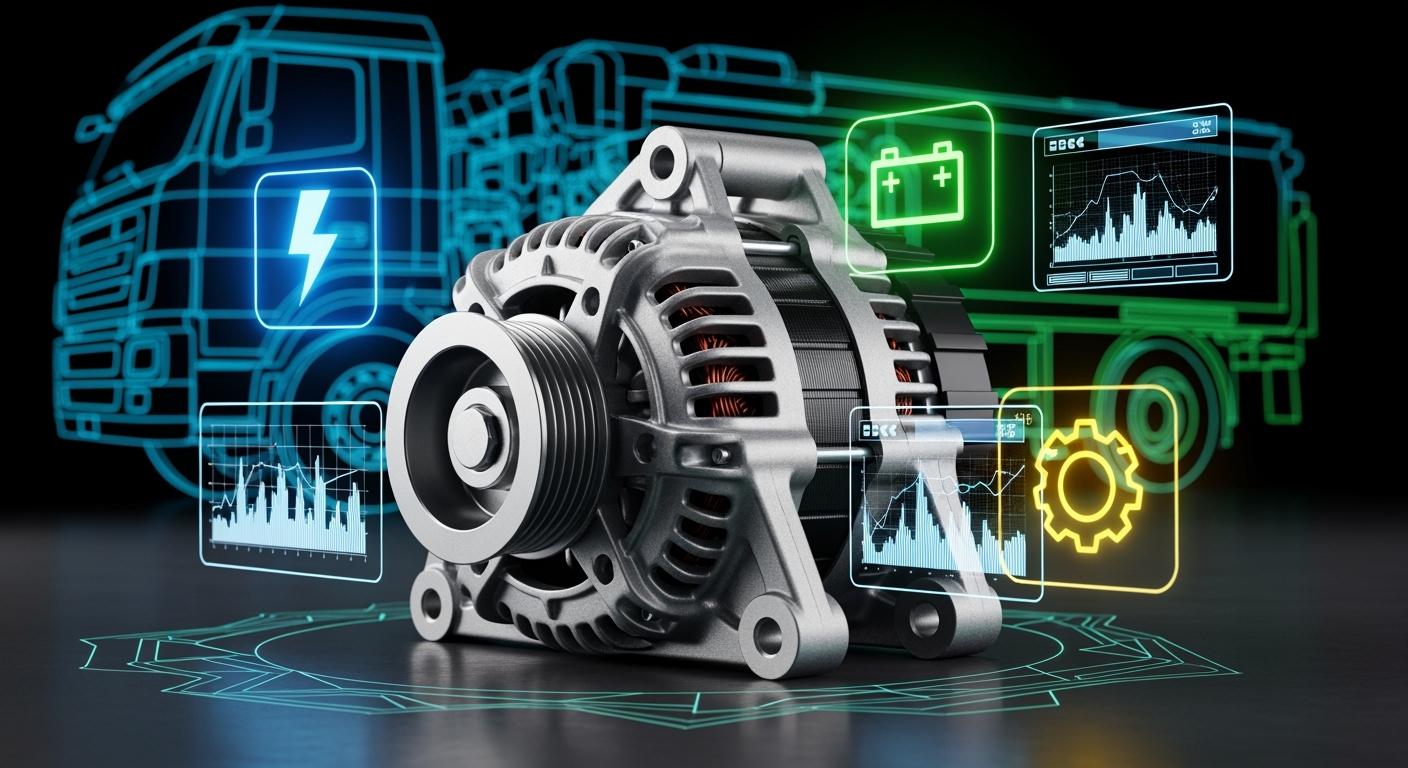
A heavy duty alternator gives your car more power. It helps your car work better when you use lots of electrical devices. It charges your battery faster. It can handle extra things like strong lights, big sound systems, or air conditioning. If your alternator is not strong enough, your lights may get dim. Your car might even stop working. Getting a heavy duty alternator stops these problems. It keeps everything working well.
Tip: Pick a heavy duty alternator if you add accessories that need lots of power or see issues with your electrical system.
Heavy Duty Alternator Basics
What It Does
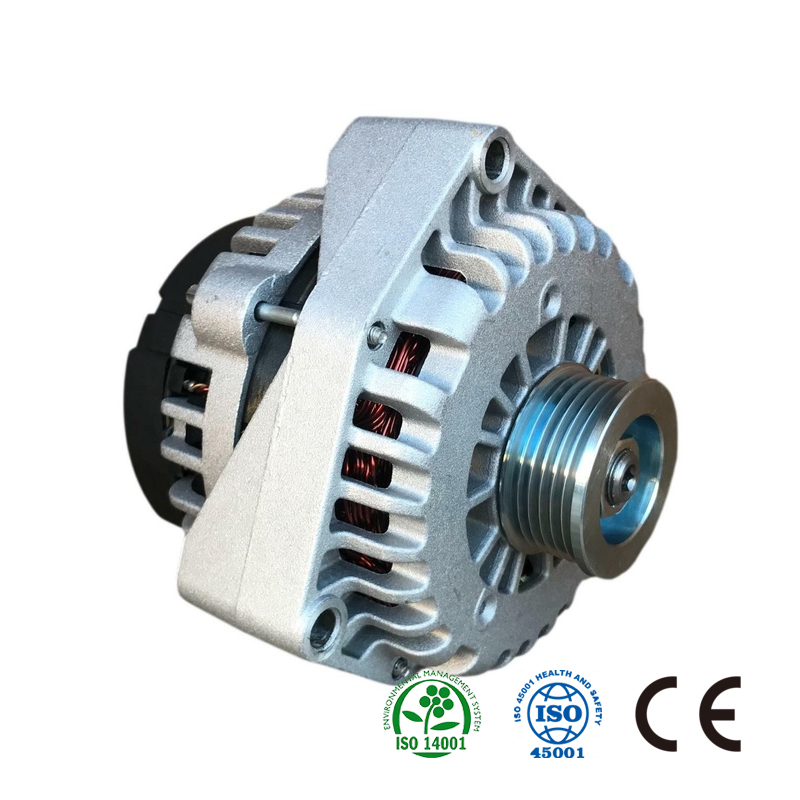
Your alternator helps your vehicle run well. A heavy duty alternator makes electricity for your car or truck. It keeps the battery full and lets all electrical parts work without stopping. It gives power to important things like headlights, brake lights, and turn signals. It also helps the dashboard, warning lights, air conditioning, heat, power windows, mirrors, and door locks. You get steady performance, even if you add more accessories or equipment.
The heavy duty alternator keeps all electrical systems working right.
It gives power to safety features and comfort controls.
You have fewer problems with dim lights or weak power.
Industrial vehicles need strong alternators for steady power.
Note: Pick a heavy duty alternator if you use lots of electrical devices or drive a vehicle that needs a lot of power.
How It Works
The alternator changes engine energy into electrical energy. This happens with electromagnetic induction. The heavy duty alternator uses special rotor designs, like permanent magnets, to make more power. It has better insulation and thicker cables to handle more current. These upgrades help the alternator support bigger electrical loads and charge the battery faster.
Feature | Heavy-Duty Alternator | Standard Alternator |
|---|---|---|
Maximum Output (amps) | 300 | 100 |
Idle Output (amps) | 150 | 50 |
Rotor Type | Permanent-Magnet | Standard |
Stator Insulation Rating | 200°C | 120°C |
Required Cable Gauge | 1/0 AWG | 4 AWG |
Typical Applications | Diesel Vehicles | Gas Vehicles |
Testing Standard | SAE J56 | N/A |
You get more power and better reliability from a performance alternator. You can put it in vehicles that need extra electrical help, like trucks with extra systems or diesel engines.
Power and Efficiency
A heavy duty alternator gives you more output. Regular car alternators usually give 70–120 amps. Heavy duty truck alternators can give 160–300+ amps, so they support more electrical parts and accessories.
Feature | Regular Car Alternator | Heavy-Duty Truck Alternator |
|---|---|---|
Output Capacity | 70–120 amps | 160–300+ amps |
You get faster battery charging. High-output alternators make over three times the amps of standard ones. This means your battery charges fast, and you do not run out of power.
You use less fuel with a performance alternator. Studies show better alternators save fuel over time.
New designs, like square wire, lower resistance and make things work better.
Remote sensing helps control voltage, lowers current flow, and gives more power.
Fleets with good alternators have used almost 45% less fuel since 2010.
Tip: Watch your alternator’s efficiency. Upgrading to a heavy duty alternator can make your electrical system better and save fuel.
You keep your vehicle’s electrical systems strong and efficient. You stop battery drain and keep all accessories working, even when you use a lot of power.
Heavy Duty vs Standard Alternator
Design Differences
When you look at a heavy duty alternator and a standard one, you see they are built differently. Heavy duty models have bigger, stronger cases and thick materials. These parts help the alternator work in hard places and power more things. They have better bracing inside and mounts that absorb shocks, so they shake less. Heavy duty alternators use special seals and coatings to block dust and water. They also have cooling fins and two fans to keep them cool for a long time.
Feature | Regular Car Alternator | Heavy-Duty Truck Alternator |
|---|---|---|
Output Capacity | 70–120 amps | 160–300+ amps |
Physical Size & Build | Compact, lightweight | Larger, reinforced casing |
Vibration Resistance | Moderate | Enhanced bracing, shock-absorbing |
Dust & Moisture Protection | Basic sealing | Advanced IP-rated seals, coatings |
Cooling System | Standard internal fan | High-efficiency fins, dual fans |
Output Comparison
If your car has extra electrical parts, you need more power. A standard alternator gives about 70 to 120 amps. Heavy duty models give 160 to over 300 amps. This extra power helps run big sound systems, more lights, or strong air conditioning. Your car gets steady power, even when you use a lot of things at once. This stops engine problems from weak electricity.
Type of Alternator | Amp Output Range |
|---|---|
Standard Alternator | 70–120 amps |
Heavy-Duty Alternator | 160–300+ amps |
Durability
You want your alternator to last a long time, even if you use it a lot. Heavy duty models use iron, strong steel, and double-insulated copper. These materials fight heat and wear. The bearings are made from ceramic and hard steel, so they last longer and run smoothly. Aluminum housings protect the alternator and help get rid of heat. Strong connectors and brackets also help stop shaking.
Things like good heat control, rust protection, and less shaking make the alternator last longer. Heavy duty alternators can last three to five years or more if you take care of them. Standard ones may last 80,000 to 150,000 miles, but hard use can make them wear out faster. Taking care of your alternator helps it work its best.
Tip: Pick a heavy duty alternator if you use lots of electrical parts or drive in rough places. You will have fewer problems and your car will be more reliable.
When to Use a Heavy Duty Alternator
High Electrical Loads
You need a heavy duty alternator if your vehicle uses big equipment or extra add-ons. Things like large audio systems, strong air conditioning, and extra lights use more electricity. If you put in a fancy stereo or LED light bars, your alternator has to give more power. Machines like excavators, skid steers, and loaders often need a heavy duty alternator to keep everything working. If you see dim lights or slow windows, your alternator might be weak. You should think about getting a better one. If you do not fix these problems, your alternator could stop working. Then, important parts of your vehicle may lose power.
Fancy stereo systems
Extra lights (LED pods, light bars)
Fridges, radios, and other gadgets
Big machines: excavators, skid steers, loaders
Common Applications
Heavy duty alternators are very important in work and emergency vehicles. You find them in big machines that need steady power for a long time. The table below shows where these alternators are used most:
Application | Description |
|---|---|
Heavy Duty Trucks | Needed for moving goods and keeping supplies on time. |
Buses | Used for city travel and shuttle rides, important for getting around. |
Emergency Vehicles | Help police, ambulances, and fire trucks respond fast and stay powered. |
Emergency vehicles need a heavy duty alternator to run lights and sirens, even when not moving. This keeps the battery strong and stops it from running out during emergencies.
Problems Solved
A heavy duty alternator stops your battery from losing power and helps run extra gear. Battery isolators block power from going the wrong way, so your starter battery stays full. You can use many gadgets at once without worry. Heavy-duty isolators charge more than one battery and stop them from draining each other. This keeps batteries healthy and stops them from getting too full. Upgrading lowers the chance of alternator trouble and keeps your equipment working.
Tip: If you use big machines or add new gadgets, watch for signs your alternator is weak. Fixing problems early keeps your electrical system working well.
High Output Alternator Benefits
Faster Battery Charging
A high output alternator helps your battery charge much faster. It gives more amps, so your battery gets power quickly. This happens even if you use many things at once. Your lights and audio stay bright, even when the engine is slow. The extra power stops your battery from draining. It also helps your battery last longer. If you have a big sound system or extra lights, this alternator helps. It supports upgrades without hurting your battery.
Charges your battery fast, even with lots of use
Keeps your battery healthy and lasting longer
Helps strong audio and lighting systems work well
Tip: High-output alternators make your car work better and lower heat. You will spend less money fixing or replacing parts.
Reliable Power Supply
You need steady power for all your car’s electrical needs. High-output alternators make more energy than regular ones. This is important for cars that use lots of electricity. They give steady voltage, so your lights do not flicker. Your accessories do not get weak. The high output alternator has stronger parts inside. These help control big loads and keep your system working well. You get steady voltage and less chance of problems. Even if you use many devices at the same time, it works well.
Gives steady power to all electrical parts
Stops your regular alternator from getting overloaded
Makes your car more reliable when you need lots of power
Note: High-output alternators help extra equipment and keep your car running well when you use a lot of power.
Maintenance Tips
To keep your high-output alternator working well, follow these easy steps:
Check your battery often. A weak battery can make your alternator work too hard.
Look at the belt for damage or if it is loose. Fix or change it if needed.
Clean and tighten all wires. Rust or loose wires can make things work badly.
Watch how much power you use. Do not use too many devices at once.
Get your alternator checked often. Early checks help you find problems before they get worse.
If you see any of these signs, your alternator may need help:
Sign of Failure | Description |
|---|---|
Electrical instability | Lights get dim or flicker when using power |
Unusual noises | You hear a high whine or squealing belt |
Overheating | Alternator feels hot or smells like burning |
Dashboard warnings | Battery light comes on |
Voltage irregularities | Voltage goes below 13.5V or above 15.0V |
Physical signs | Terminals look burned or battery keeps dying |
Tip: Take care of your alternator and fix problems early. This helps it last longer and keeps your car’s electrical system strong.
You get lots of good things when you pick a heavy duty alternator. These alternators give steady power and help protect your car’s electronics. They can work well even in hard places. Newer designs stop your battery from getting too much charge. This keeps your car’s electrical system safe. You should always check what your car needs before you upgrade. Doing regular checks helps you find problems early. This makes your car’s system work better for longer.
Stops your lights from getting dim and saves your battery
Helps run strong accessories and tools
Makes your car’s parts last longer
Tip: Think about how much power you use to pick the right alternator for your car. This helps your car work well for a long time.
FAQ
What signs show you need a heavy duty alternator?
You might see your lights get dim. Your power windows could move slowly. The air conditioning may not feel strong. If your battery dies a lot, that is a sign. Adding new electrical devices can also mean you need more power.
Can you install a heavy duty alternator yourself?
You can put one in if you have basic tools. Make sure to follow safety steps. If you are not sure, ask a mechanic for help. Installing it right keeps your vehicle safe.
Will a heavy duty alternator damage your battery?
A heavy duty alternator will not hurt your battery. It charges your battery faster and helps it stay healthy. Always check your battery to make sure it works well.
Do all vehicles need a heavy duty alternator?
Not every vehicle needs this kind of alternator. You need one if you use lots of electrical devices or drive a work vehicle. Regular cars with only a few accessories do not need extra power.
Get Exclusive Industry Insights Delivered. Please Contact Us!
Recommended Products

Alternator For Chevy Avalanche/Tahoe GMC Sierra/Yukon 1999-2005 10464405

Alternator Replacement for Dodge for Ram 1500 5.7L 2009-2010, 1756 56028697AL

Alternator for Peterbilt 330 335 340 357 359 378 379 By Engine 19011187

Alternator for European Model Opel Astra Corsa 1.7L Diesel Lr1100502e Lr1100502f